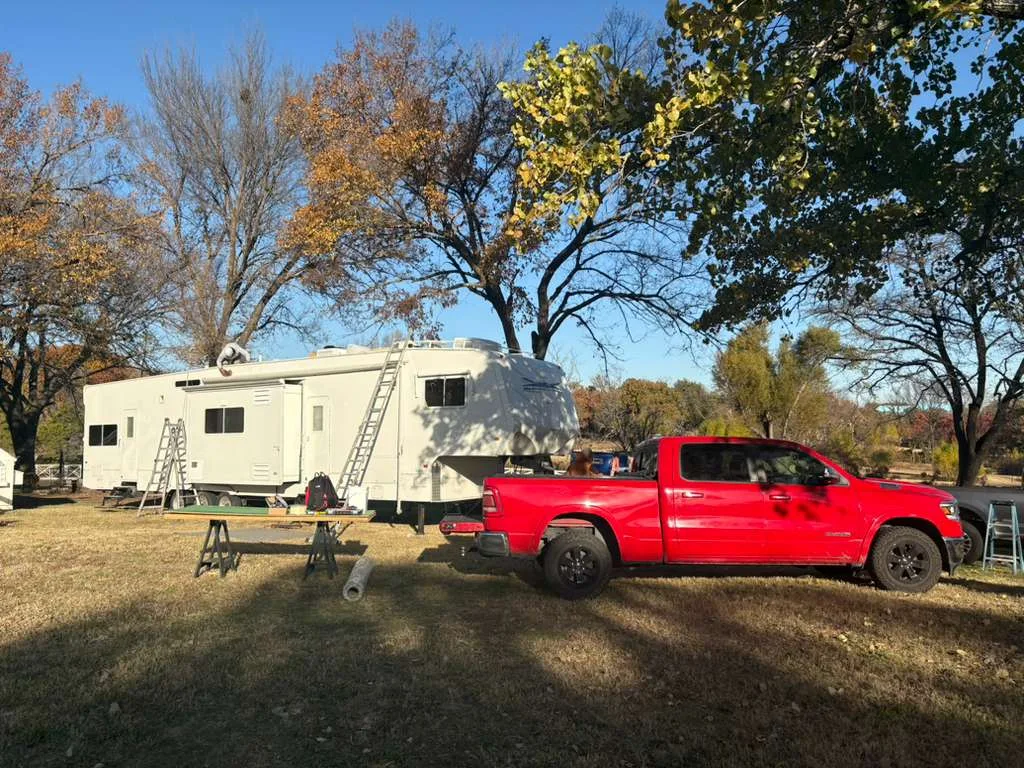
Do You Need to Winterize Your RV in Florida?
If your RV is staying in Orange, Seminole, Lake, or Volusia county through the winter, you almost certainly don't need to winterize. Central Florida rarely sees below-freezing temperatures, and even in the coldest winters, below-freezing conditions last only a few hours before warming. RV plumbing is not at serious risk from a brief freeze in the Orlando area.
The exception: if a deep freeze is forecast (which does happen in extreme years), drain your fresh water tank and turn off the water pump. Your water lines will survive a few hours below freezing if there's no static water in them under pressure.
When You DO Need to Winterize - Heading North
Florida-based RVers who drive north in spring or summer face real freeze risk. A rig leaving Apopka on a 65-degree March day can encounter 28-degree overnight temperatures in the North Carolina mountains just 12 hours later. Once your RV leaves Florida heading north, winterize before the trip begins.
Full Winterization Steps
- Bypass the water heater. The bypass kit diverts water around the 6-gallon tank so you don't fill it with antifreeze. Two or three valve turns - your heater should have a bypass kit already installed.
- Drain the fresh water tank completely. Open the low-point drains (usually two, one hot and one cold line) under the coach.
- Blow out the lines with air. Connect a compressor to the city water inlet and blow compressed air through each fixture in sequence - farthest from the inlet first, work toward the inlet.
- Pump RV antifreeze through all fixtures. Use a hand pump kit connected to the city water inlet. Pump pink propylene glycol RV antifreeze through each faucet until you see pink, then move to the next.
- Don't forget the toilet. Flush until pink antifreeze appears. Also pour a small amount directly into the toilet bowl to protect the blade seal.
- Pour antifreeze into drains. A cup into each sink P-trap prevents the trap from freezing.
De-Winterization When Arriving in Florida
Snowbirds arriving in Apopka for the winter need to de-winterize their rig before using the water system. Pink RV antifreeze is non-toxic but you don't want to drink or cook with it.
- Open the water heater bypass valves back to normal position.
- Connect to a water source (campground hookup or your driveway spigot).
- Run every faucet - hot and cold - until water runs clear with no pink tint.
- Run the toilet until clear.
- Check the water pump for normal operation.
- Verify the water heater is heating - light the gas pilot or turn on electric mode.
If you're not comfortable with either winterization or de-winterization, call us - it's a quick service call that we do throughout the Apopka area, and it's good peace of mind to have a professional verify the system is fully flushed and operational.
Need mobile RV repair in Apopka? Call (407) 326-5500 for same-day service throughout Orange, Seminole, Lake, and Volusia counties. Flat-rate pricing, no towing fees.